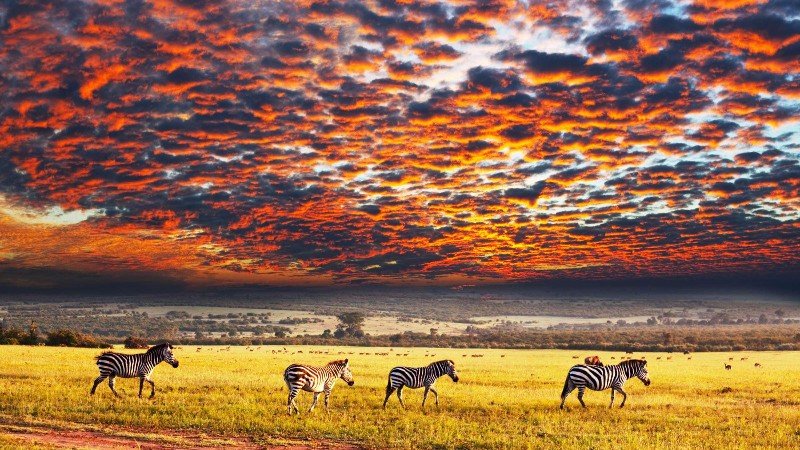
Serengeti National Park
UNESCO World Heritage Site

Discover the iconic Serengeti National Park, Tanzania
Renowned as one of Africa's premier safari destinations, the Serengeti offers an unmatched wildlife viewing experience. This vast park is home to the famous Big Five: elephants, lions, buffaloes, rhinoceroses, and leopards, as well as many other animals including giraffes, hippos, and crocodiles. It's also where the Great Migration of wildebeests and zebras takes place. With over 70 species of large mammals and 500 birds, the Serengeti is a must-visit wildlife area.
Together with the Ngorongoro Conservation Area and Mount Kilimanjaro, the Serengeti National Park is recognized as part of the UNESCO World Heritage List.
Destination Map
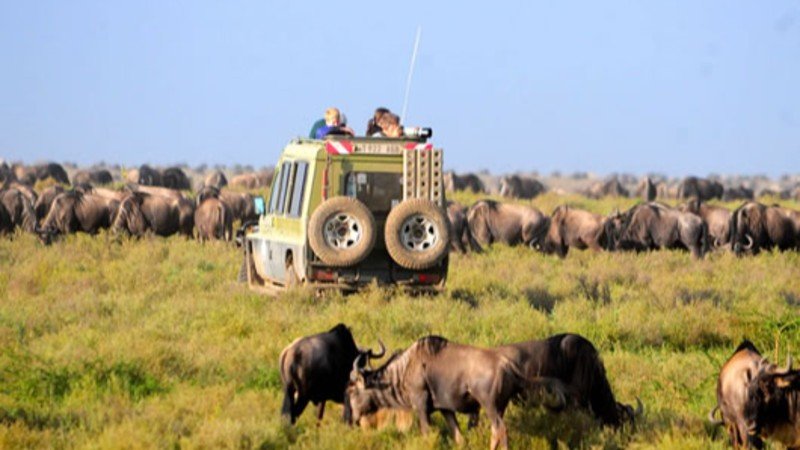
What are the main attractions of the Serengeti National Park?
Central Serengeti and the Seronera River Valley
This is the most popular place in the Serengeti. Here, you can see practically all the animals, and it is also where most safari lodges are located. Almost all multi-day safaris in the Serengeti start in its central part.
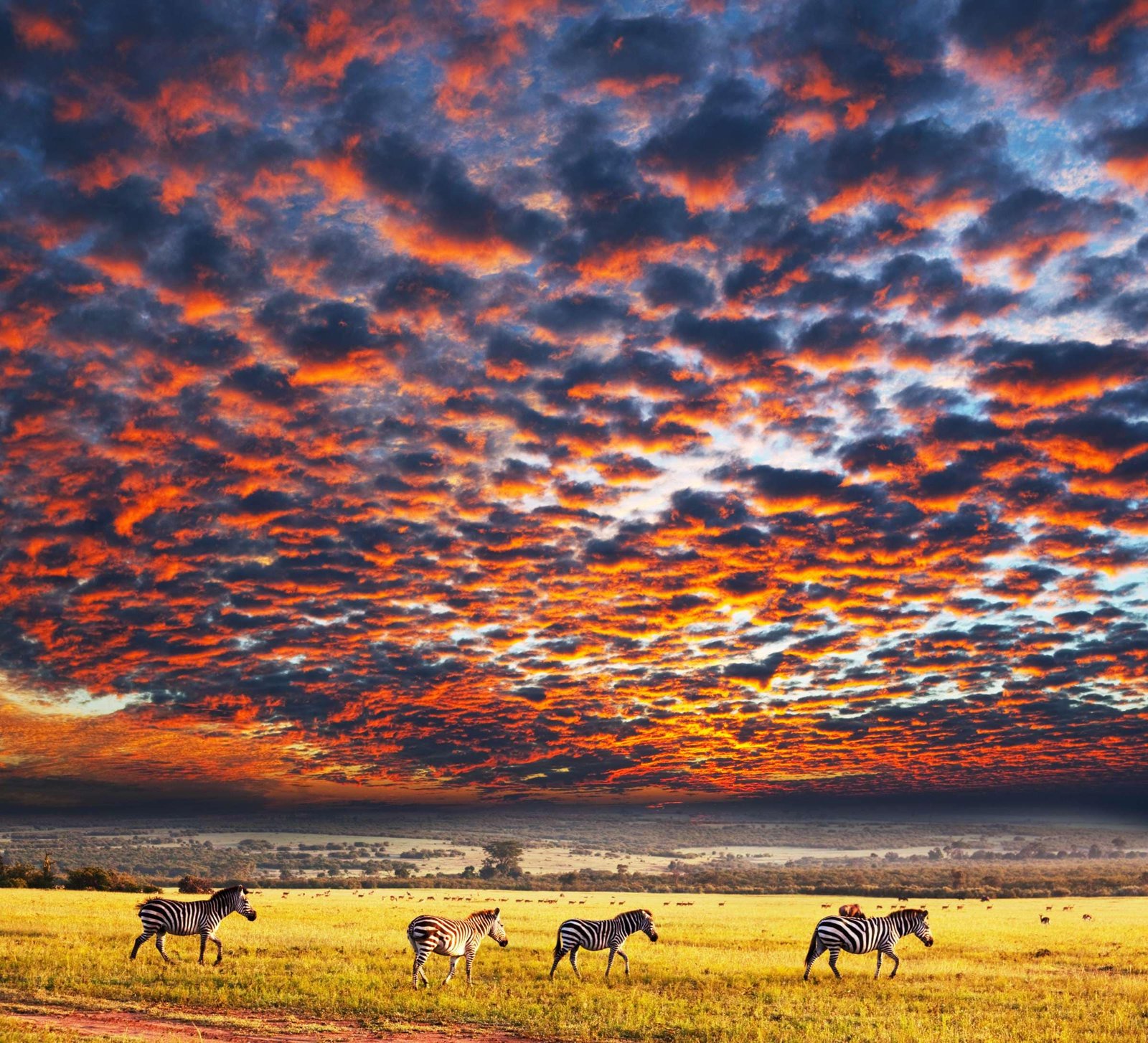
Western Corridor and Grumeti
The western part of the park is an open savanna. Here you can also see all the iconic African animals: lions, zebras, elephants, buffaloes, antelopes, and many others. The Grumeti and Mbalageti rivers are home to hippos and crocodiles.
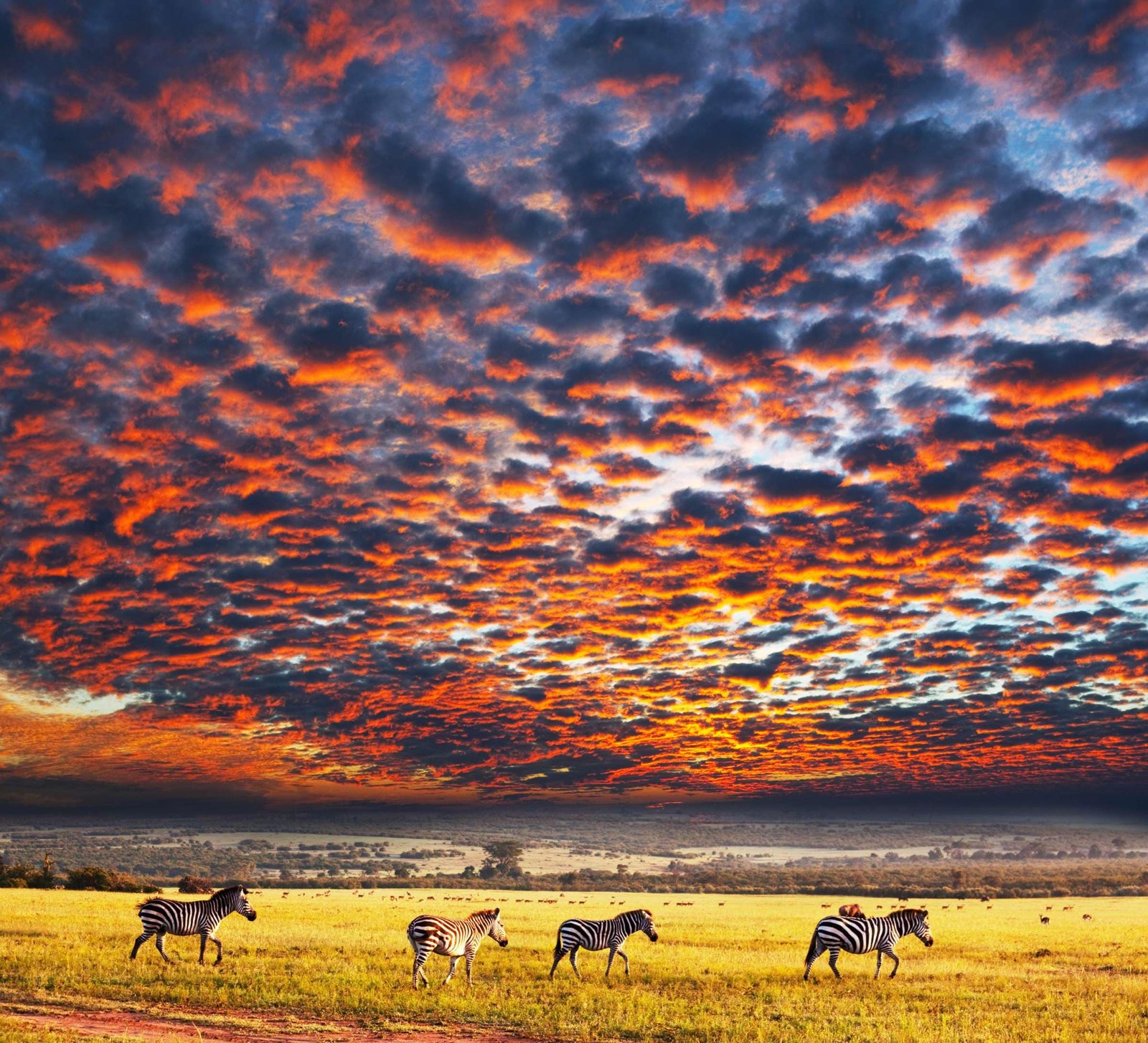
Northern Serengeti: Kogatende, Lobo, and Lamai
The final stage of the Great Wildebeest Migration happens in the northern part of the Serengeti when large herds of wildebeest, zebras, and gazelles cross the wide Mara River. This area is very picturesque and a must-visit during a safari.
Activities in the Serengeti National Park
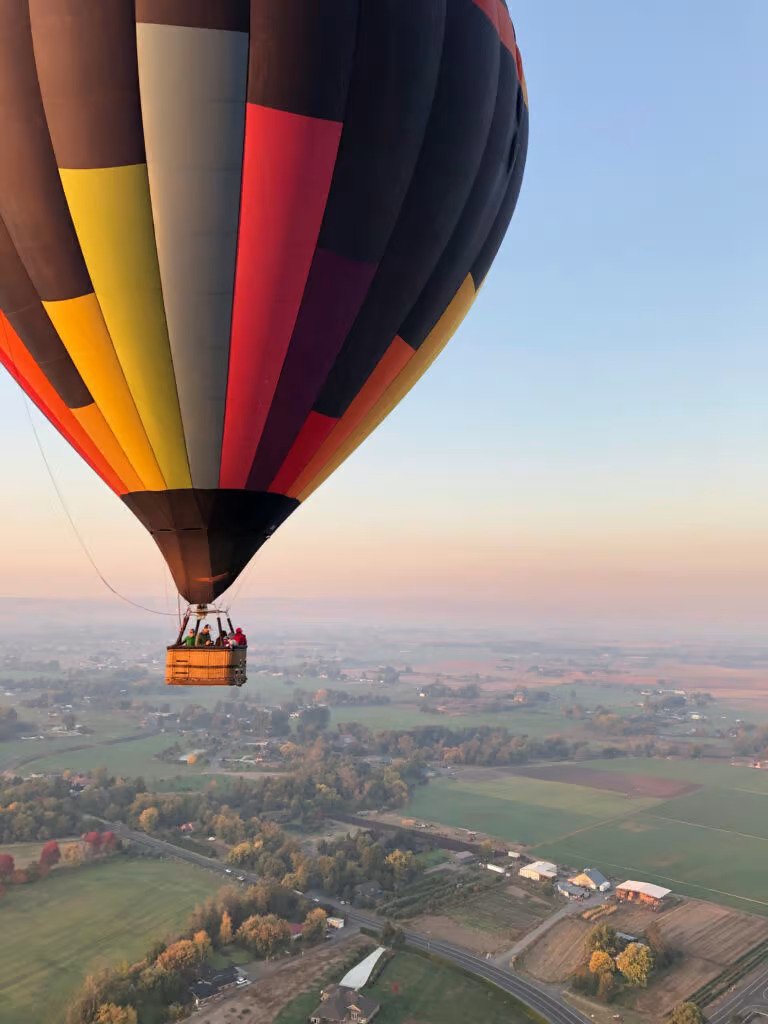
Hot air balloon safari
Drone use is prohibited in the Serengeti, making hot air balloon flights the only way to view the savanna from a bird's eye perspective. The view from above offers especially picturesque scenery and the opportunity for stunning panoramic photographs. The endless plains of the Serengeti inspired Disney's 'The Lion King', and they are especially impressive from above.
Breakfast and dinner in the savanna
Most lodges in the park can arrange breakfast or dinner right under the open sky in the Serengeti, allowing travelers to enjoy fine dining in one of the most scenic spots on the planet, accompanied by the sounds of the savanna.
Animals in Serengeti National Park
The Serengeti is home to more than seventy species of large mammals, making it the best place on the continent to see all the famous African animals. The populations of many species here are significantly higher than in other well-known national parks. The Serengeti is also one of the few places where you can spot Africa's rarest animal - the Eastern black rhinoceros.
It's important to remember that the Serengeti is a vast park. Animals are constantly on the move, and sometimes you can travel 30 minutes on a game drive without major sightings. Your experienced safari guide will coordinate with colleagues via radio to locate where animals have recently been sighted.

Lion
Common
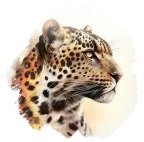
Leopard
Seasonal
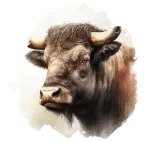
Bufaro
Very Rare
Cheetah
Rare
Giraffe
Common

Animals Not Found in Serengeti National Park
Serengeti De-Snaring Program
Annually, poachers set thousands of traps and snares in the Serengeti. To combat this, the Frankfurt Zoological Society founded the Serengeti De-Snaring program. Project staff and rangers patrol the park, collect traps, and assist ensnared animals. If poachers are spotted, rangers detain them and hand them over to the police.
The project is funded by donations from participating tour operators. The current list of sponsors for the Serengeti De-Snaring can be found on the program's website.
History of Serengeti National Park
Where is the Serengeti National Park located?
Is Serengeti in Kenya or Tanzania? - This question is often raised by travelers who plan to visit East Africa. The answer is simple: the Serengeti National Park is located in northern Tanzania, stretching over 1,500,000 hectares (3,700,000 acres) of wild savanna. It can be easily found on the map – to the east of Lake Victoria, the largest lake in Africa, near the border with Kenya.
To the north, the Serengeti borders the Kenyan Maasai Mara National Reserve, and to the east, the renowned Ngorongoro Crater and Conservation Area. The larger Serengeti ecosystem stretches even beyond the national park, being defined by the area covered by the Great Migration.
Frequently Asked Questions about the Serengeti National Park
If the plan includes only visiting the Serengeti, flying is the best option. Regular flights from Arusha and Kilimanjaro airports directly to the Serengeti are available. You can book a charter flight that will depart at a convenient time for you and only with you on board. The entire journey will take 1-2 hours. In the Serengeti, a safari guide will meet you, and you will immediately begin acquainting yourself with the most famous park in Africa.
The Serengeti has several airstrips. If your safari starts in the central part of the park, the plane will land at the Seronera airstrip; if in the western part - at the Grumeti airstrip. The northern part of the Serengeti is served by the Kogatende and Lobo airstrips.
By safari vehicle
Most safaris in Northern Tanzania begin in the city of Arusha, the closest major city en route to the national parks from Kilimanjaro International Airport. Travelers rest in Arusha after their flight, and the safari begins the following day.
Before reaching the Serengeti, visitors usually explore smaller parks such as Tarangire, Lake Manyara, and Ngorongoro, which are located on the way from Arusha to the Serengeti. Direct travel to the Serengeti is exhausting; the journey from Arusha without stops takes 8-9 hours, consuming an entire day, and you might not see any animals. In that case, the vehicle arrives at the Serengeti by around 4-5 PM, but by 6 PM, all travelers must be at their hotel, as staying in the savanna after this time is not allowed according to the park rules.
Therefore, visiting the Serengeti is recommended to be combined with safaris in other Tanzania national parks. By visiting them on the way to the Serengeti, travelers can see all the main safari attractions of Northern Tanzania, making the Serengeti the climax of the trip.
By plane
If the plan includes only visiting the Serengeti, flying is the best option. Regular flights from Arusha and Kilimanjaro airports directly to the Serengeti are available. You can book a charter flight that will depart at a convenient time for you and only with you on board. The entire journey will take 1-2 hours. In the Serengeti, a safari guide will meet you, and you will immediately begin acquainting yourself with the most famous park in Africa.
The Serengeti has several airstrips. If your safari starts in the central part of the park, the plane will land at the Seronera airstrip; if in the western part - at the Grumeti airstrip. The northern part of the Serengeti is served by the Kogatende and Lobo airstrips.
Traveling from Lake Victoria
Most travelers visit the safari parks of Northern Tanzania from east to west: Lake Manyara, then Tarangire, Ngorongoro, and finally - the Serengeti. However, some visitors start their Tanzanian adventure from Lake Victoria in the west of the country and then visit the safari parks. In this case, the Serengeti will be the first park on the safari trip. The journey by off-road vehicle from the city of Mwanza on the shores of Lake Victoria to the Ndabaka gate - the western entrance to the Serengeti - takes two to three hours.
The Serengeti is the third-largest natonal park in Tanzania. Conventionally, its territory is divided into four parts: Seronera (central part), Western Corridor, southern, and northern. To comfortably explore the park, it's recommended to plan four to six days, two to three of which you will spend in Seronera, and the remaining in areas where the Great Migration is seasonally located. A trip will require four to six days in total.
This duration allows for a leisurely visit to all key locations and longer stays in the most interesting places. An additional day can be allocated for rest at the hotel, especially if you are traveling with children - safari trips and game viewing are very enriching but can be tiring.
If you simply want to see Tanzania's wildlife, there is no need to travel to remote areas of the Serengeti where the Great Migration is not present at the time. Such a trip would take a lot of time, and practically all animals of the Serengeti can be observed in the area of the Migration. A safari near the Migration will be much richer without the need for extensive travel across the park.